
Executive Summary
In the digital ecosystem of 2026, the lifecycle of a brand infringement does not begin on a public marketplace; it begins in the encrypted enclaves of the Dark Web. As global counterfeit networks industrialize, the "pre-production" phase of brand abuse—including the sale of stolen CAD files, leaked manufacturing blueprints, and employee credentials—has moved into the shadows. This article examines the causal link between Dark Web chatter and mainstream market disruption. We analyze 2026 data indicating that early detection in encrypted forums can reduce brand damage by up to 70%. By exploring the integration of Counterfake AI into deep-web forensics, we demonstrate how brands can move from reactive "takedowns" to proactive "threat neutralization," stopping the next viral counterfeit wave before it even reaches a search engine.
The Pre-Production of Deception: Where Fakes are Born
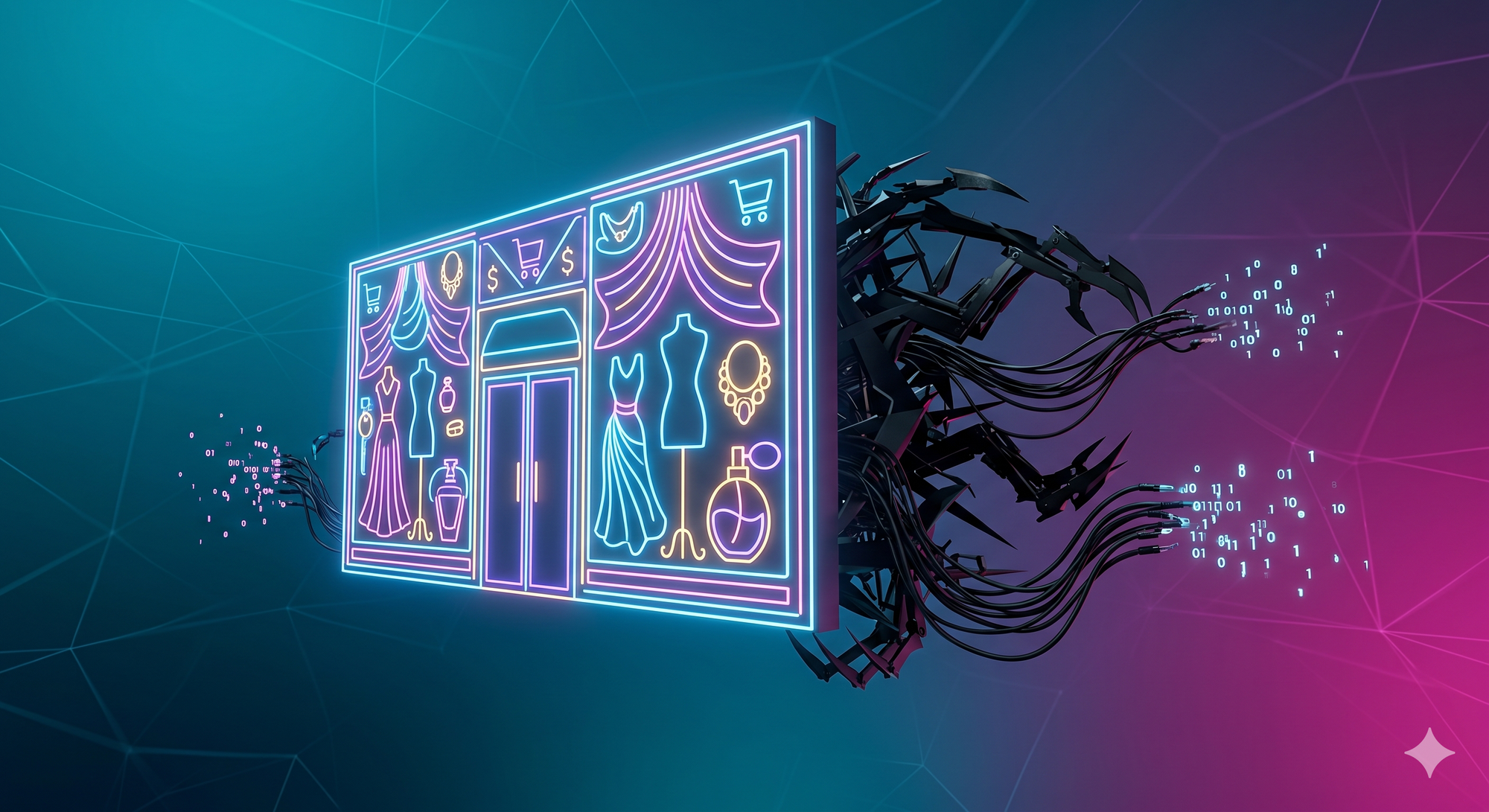
For most brand managers, the first sign of trouble is a notification from a marketplace bot or a customer complaint about a low-quality "dupe" found on social media. However, in the hyper-accelerated commerce environment of 2026, by the time a counterfeit listing appears on a public platform, the brand has already lost the battle of first impressions. To understand the true causality of brand erosion, one must look at the Dark Web not as a hacker’s playground, but as the R&D and logistics hub for the counterfeit industry.
The Dark Web serves as the "incubation chamber" for intellectual property theft. Here, organized syndicates trade in "Brand Kits"—packages that include high-resolution logo files, leaked marketing calendars, and even technical specifications for proprietary manufacturing processes. According to a 2026 Inter-Agency Report on Cyber-Enabled Crime, the sale of corporate "digital twins"—the total digital blueprint of a product line—has increased by 312% since 2024. This isn't just a security breach; it is the industrialization of the Shadow Market. When these assets are traded in secret, they create a causal path to a massive, synchronized counterfeit launch that hits global marketplaces simultaneously, overwhelming traditional legal teams.
The Causal Link Between Leaks and Viral Damage
To measure the ROI of Dark Web monitoring, we must analyze the "Time-to-Market" of a modern counterfeit. In 2026, the speed of production has reached a point where a leaked design file can be turned into a physical product and listed online within 48 to 72 hours.
The causal chain follows a predictable, yet devastating, trajectory:
- The Extraction: A breach at a third-party supplier or a phishing attack on a junior employee leads to the theft of unreleased product designs.
- The Auction: These files are posted on Dark Web forums (such as Hydra-v2 or Silk-Alley) where manufacturers bid on the right to produce "Early Access Fakes."
- The Distribution: Once production begins, digital assets are shared with a network of "Burner Sellers" on public marketplaces.
- The Viral Hit: By the time the brand’s official launch occurs, the market is already saturated with "High-Fidelity" copies, leading to Conversion Displacement and a permanent hit to the brand's premium status.
A Cybersecurity Ventures 2026 Audit notes that companies with proactive Dark Web intelligence are 4.5 times more likely to identify a supply chain leak before the physical fakes hit the market. This "Early Warning System" is the difference between a minor internal investigation and a multi-million dollar revenue loss.
Quantifying the Abyss: The 2026 Data Peak
The numbers surfacing this year suggest that the Dark Web has become the primary engine of global IP crime. Data from the 2026 Global Cyber-Threat Index highlights a significant shift in illicit behavior:
- Credential Siphoning: 62% of major brand infringements in early 2026 were traced back to "Authorized Access" leaks, where scammers used stolen employee logins to scrape internal price lists and distributor data.
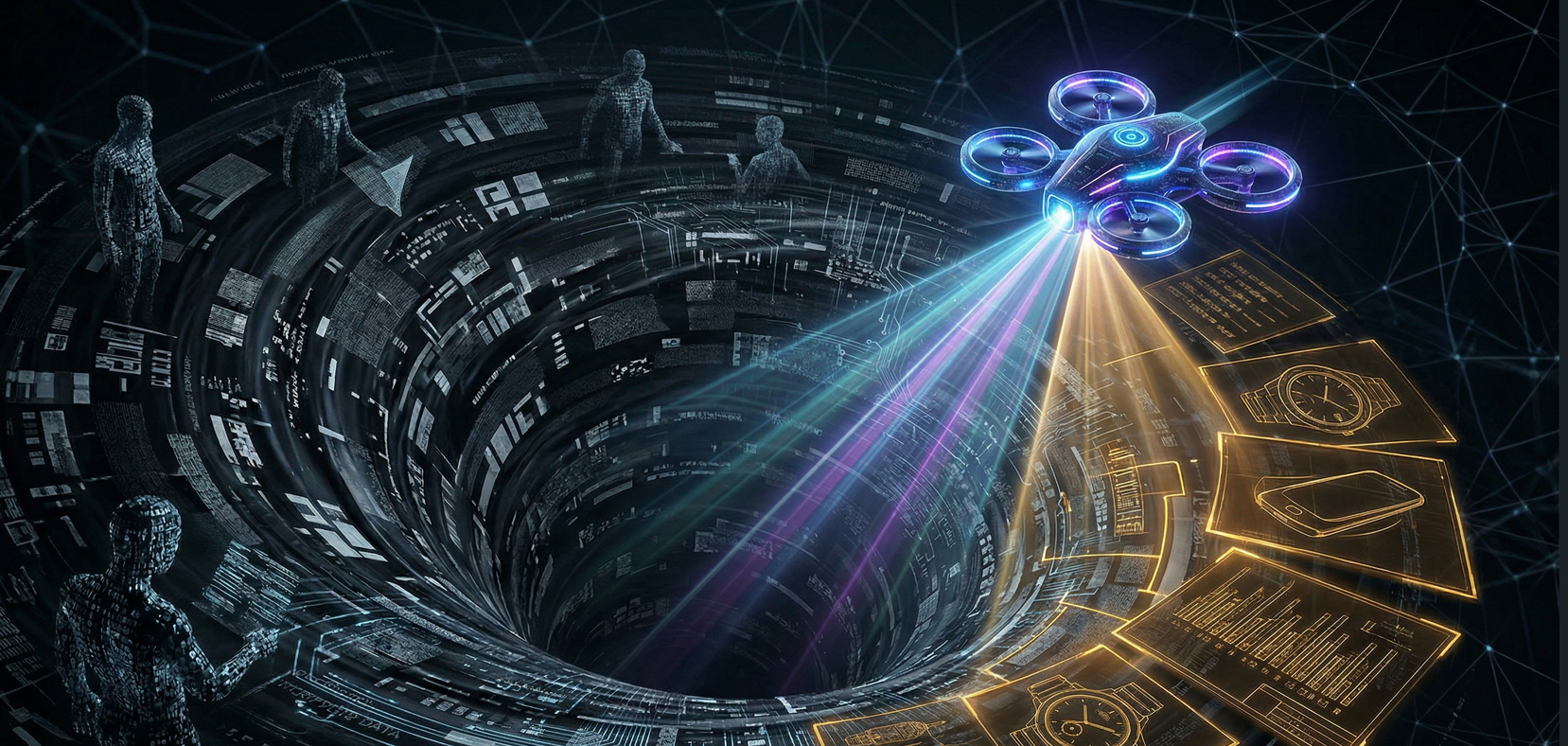
- Blueprint Monetization: The average price for a "Master CAD File" of a luxury watch or a high-end electronic device on the Dark Web has risen to $15,000, reflecting the high profit potential for counterfeiters.
- Network Consolidation: 80% of counterfeit listings on Amazon and eBay are now linked to just 12 major syndicates operating exclusively through encrypted communication channels.
This data proves that the "Shadow Market" is no longer a collection of independent scammers; it is a consolidated, data-driven industry. If your brand is only looking at the surface web, you are effectively watching the symptoms while the disease spreads unchecked in the dark.
The Forensic Necessity: Why Manual Web Crawlers are Obsolete
Most brands use basic "keyword scrapers" to monitor the web. While these tools are useful for finding a listing on Google, they are fundamentally incapable of accessing the Dark Web. Encrypted forums require specific protocols (Tor, I2P), invitation-only access, and the ability to navigate complex "Proof of Work" captchas designed to keep out automated bots.
Furthermore, the language used in these forums is often coded. Scammers don't say "Let's sell fake Nike shoes"; they use alphanumeric slang and encrypted visual cues to discuss their inventory. A human analyst—even a highly trained one—cannot monitor thousands of these conversations in real-time across multiple languages and time zones. This creates a Forensic Gap—a blind spot where your most sensitive intellectual property is being traded without your knowledge.
Why Counterfake AI: The Proactive Guardian
This is why Counterfake AI has integrated a specialized Dark Web Intelligence Layer. We recognize that in 2026, Revenue Recovery must start before the sale is even possible.
1. Autonomous Deep-Web Infiltration:
Counterfake’s AI agents utilize advanced NLP (Natural Language Processing) to navigate and "understand" the coded language of dark-web forums. We monitor the trade of keywords, image hashes, and leaked datasets, identifying mentions of your brand in the pre-production stage.
2. Supply Chain Leak Detection:
By tracking the metadata of files being traded in the shadows, Counterfake can often trace a leak back to a specific geographic region or supplier. This allows you to secure your supply chain before more designs are stolen, stopping the leak at the source.
3. Predictive Takedowns:
Our AI doesn't just watch; it predicts. By analyzing the "Sentiment" and "Production Velocity" discussed in dark-web manufacturing circles, Counterfake alerts you to upcoming "Counterfeit Drops." This allows your legal and marketing teams to prepare "Takedown Packages" in advance, ensuring that fakes are removed the moment they appear on public sites.
Why Counterfake? Because we don't just find the fire; we identify the arsonist while they are still buying the matches.
Reclaiming the Future from the Shadows
As we move into the second half of 2026, the definition of brand security has changed. It is no longer enough to be "protected"; you must be "intelligent." The brands that will maintain their market share in this decade are those that realize the Dark Web is an extension of their competitive landscape.
Dark Web Monitoring is the ultimate form of proactive Revenue Recovery. It is about ensuring that your designs, your secrets, and your future products belong to you—and you alone. By deploying Counterfake AI, you are installing a 24/7 forensic team that dives into the abyss so you don't have to. You are ensuring that when your next big innovation hits the market, it is met with applause and sales, not with a thousand cheaper copies. The shadows are where fakes are born, but with the right intelligence, they are also where they can be stopped. It’s time to shine a light on the abyss and bring your brand's future back into the sun.
📚 Diversified Sources & References
- INTERPOL (2026): "The Industrialization of IP Crime: Annual Report on Transnational Counterfeit Networks." [Global Policy Paper]
- Cybersecurity Ventures (2026): "The 2026 Dark Web Audit: Trends in Stolen Intellectual Property and Brand Kits." [Expert View: David Braithwaite]
- Chainalysis (2026): "The Crypto-Counterfeit Connection: Tracking Illicit Payments for Leaked Corporate Assets." [Blockchain Analysis]
- Journal of Digital Forensics (2025): "Causal Linkages Between Employee Credential Leaks and Global Marketplace Infringement." [Academic Study]
- MIT Sloan Management Review (2026): "Proactive Supply Chain Defense: Navigating the Risks of the Encrypted Web." [Link: sloanreview.mit.edu]
- Dr. Sarah Varkey, Head of Threat Intel at Securitas IP: "The Shift from Takedowns to Intelligence-Led Brand Defense."